ServicesRoof Inspections
Roof Inspections in Dallas
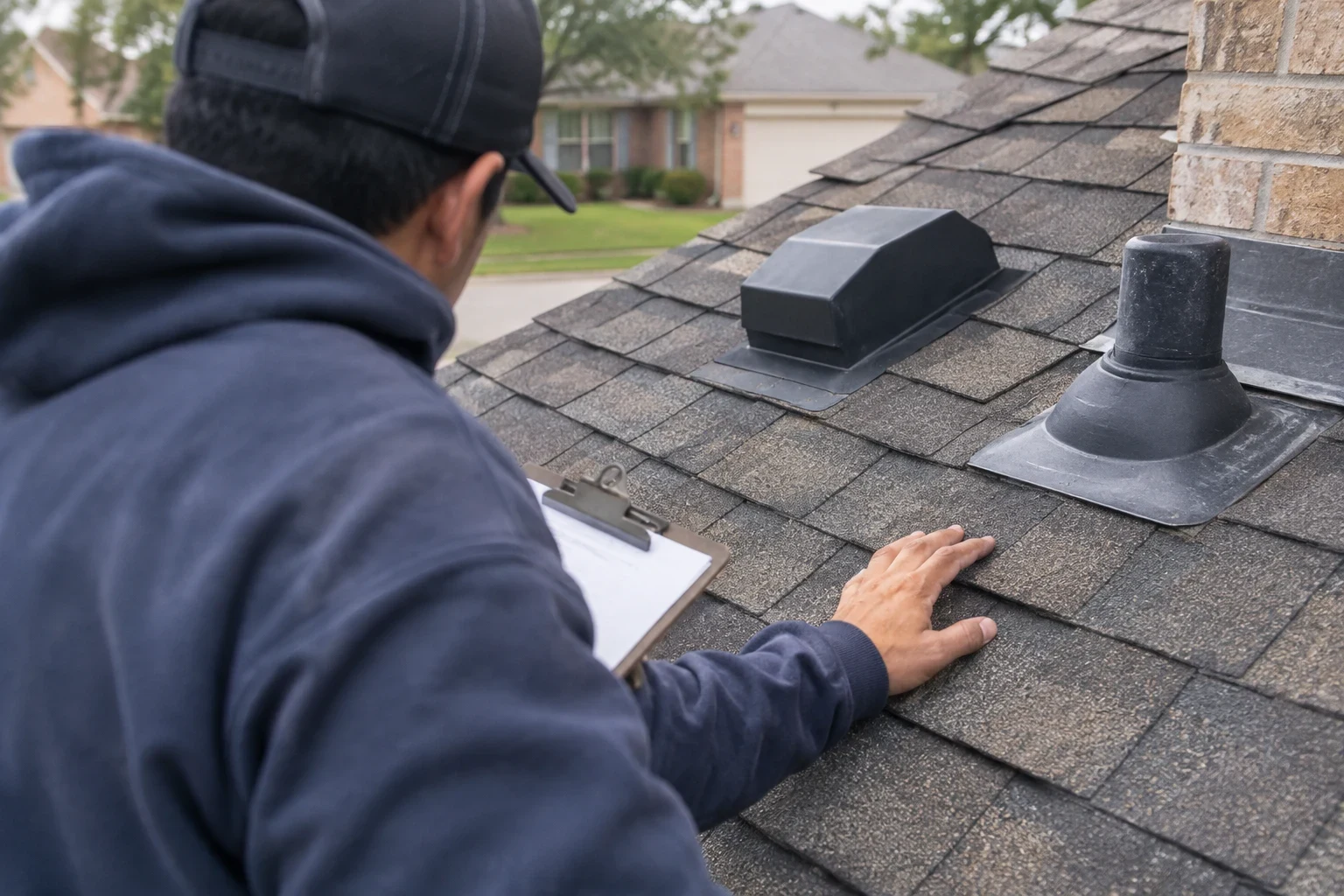
We walk your roof, check the attic and photograph what we find, then explain it in plain words. You get a confirmed arrival window before we come and a heads-up if anything shifts. You know when we'll be there and what you'll get when we leave.
A clear answer about your roof
A roof inspection tells you what condition your roof is actually in, so you're not guessing from the driveway. We look at the shingles, flashing, vents, decking and attic, and we write down what is fine, what is wearing and what needs a closer eye.
Most people call us after a hailstorm, before buying or selling a house, or when a ceiling stain shows up. Spring storms and long summer heat in North Texas age a roof faster than many expect, so a check every year or two is a sensible habit.
We set a time that works for you and stick to it. If weather or an earlier job pushes us back, we call before your window starts, not after it ends.
What we check on your roof
- Shingle condition
- We look for granule loss, cracking, curling, lifted tabs and the round bruises hail leaves on asphalt shingles. We note where wear is spread evenly and where it's concentrated.
- Flashing and penetrations
- Chimneys, skylights, pipe boots and wall joints are where most leaks start. We check the seals, the metal and the nails holding it all down.
- Attic and decking
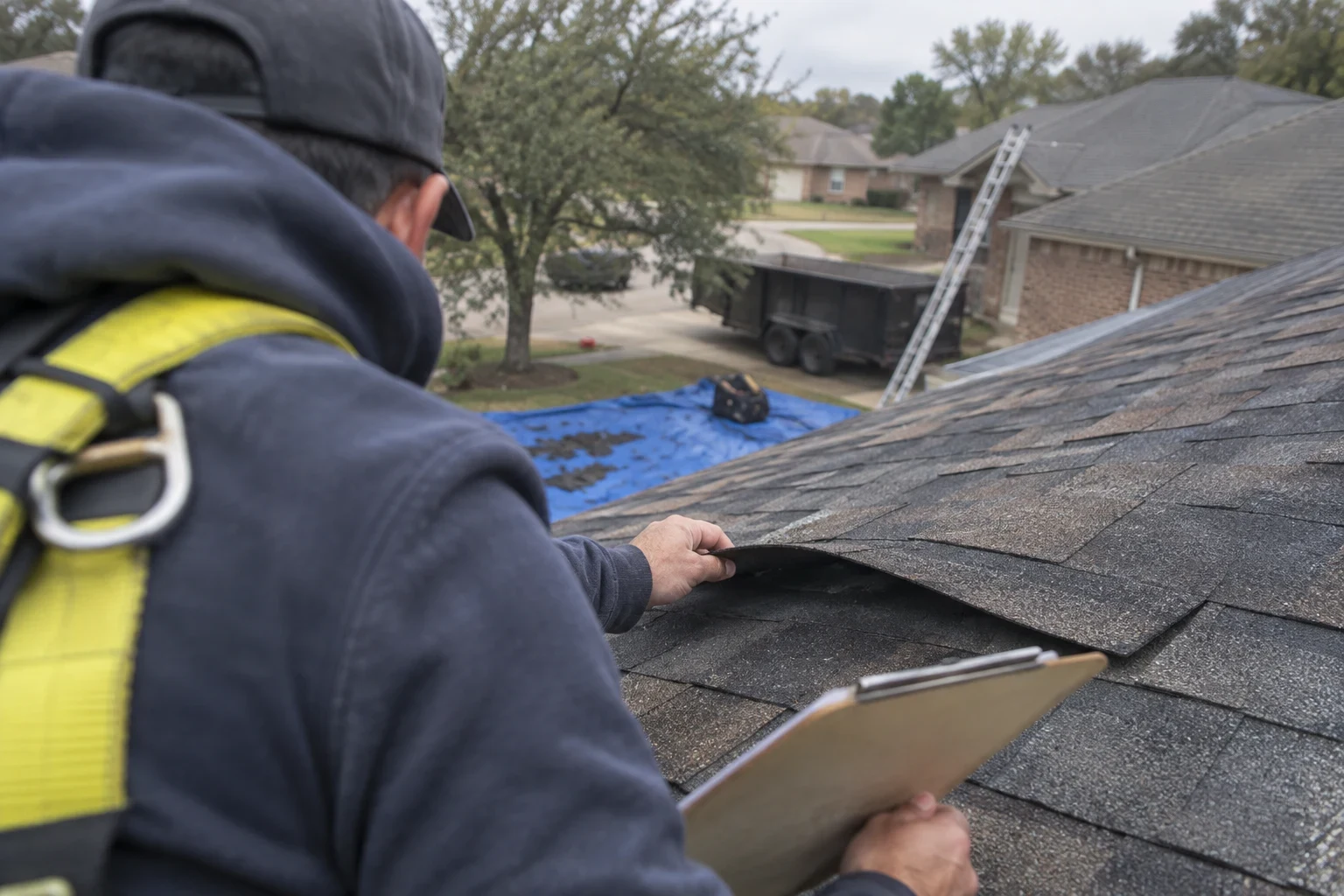
- From inside the attic we look for daylight, water stains, damp insulation and soft decking. This often shows a problem before it reaches your ceiling.
- Ventilation
- Poor airflow cooks shingles from underneath in hot weather. We check intake and exhaust vents and tell you whether the attic is breathing the way it should.
- Photos and a written report
- You get pictures of what we found with notes beside each one. The report is written for you, not for another roofer, so it's easy to read and keep on file.
Signs it's time for an inspection
A recent hailstorm
Hail damage is hard to see from the ground. A close look tells you whether shingles were bruised or cracked, which matters if you plan to talk with your insurance company.
Stains on a ceiling or wall
A brown ring or bubbling paint usually means water got in somewhere above. The leak point is often several feet away from the stain.
Grit where rainwater drains
Shingles shed their protective granules as they age. A lot of that sandy grit collecting where water runs off your roof is a sign the surface is wearing thin.
Buying or selling a house
A roof-specific inspection gives you more detail than a general home inspection, which helps when you're weighing an offer or preparing to list.
It's been a few years
If nobody has been on your roof in a while, a routine check catches small issues early.
How your inspection day goes
- 1
We set the visit by phone
You tell us what you've noticed and when you're home. We give you a specific arrival window and confirm it the day before.
- 2
We arrive and check in
Our inspector knocks, introduces himself and asks what concerns you most. If we're running late, you'll hear from us first.
- 3
Roof and attic walk
We go up on the roof when it's safe, then look through the attic. Most homes take about an hour or two, depending on size and access.
- 4
We walk you through it
Before we leave, we show you the photos and explain what we saw. You'll receive the written report afterward, and you decide what, if anything, comes next.
What affects the cost of an inspection
Every roof is different, so we give you a free estimate by phone before anything is scheduled. The number is based on your roof, not a sales pitch. Here is what moves it.
- Roof size and pitch
- A larger or steeper roof takes longer to walk safely and may need extra equipment.
- Attic access
- An easy hatch is quick. Tight crawl spaces, blown-in insulation or no attic access add time.
- Report detail
- A basic condition check is simpler than a detailed report with full photo documentation for a sale or an insurance conversation.
- Number of structures
- A detached garage or second building on the property is inspected separately.
Roof inspection questions
Something not covered here? (214) 307-9193
How long will the inspection take?
Most visits run about an hour or two. A large or steep roof, or a hard-to-reach attic, can take longer. We'll give you a realistic time when we book so you can plan your day.
Do I need to be home?
It helps if you are, especially for the attic and so we can walk you through the photos before we leave. If you can't be there, we can talk about what access we'll need and go over the findings by phone.
Can you help with my insurance claim after hail?
We document what we find with photos and clear notes, which you can share with your insurance company. We don't act as your adjuster or tell you what your policy covers. We're happy to explain what the photos show.
What if the weather turns on inspection day?
We don't go on a wet or windy roof. If conditions aren't safe, we call you as early as we can and offer the next open slot.
Who is actually going up on my roof?
Our own inspector, from a company that is licensed and insured. That means you aren't taking on the risk of someone climbing around your home without coverage. When we confirm your arrival window, we'll let you know who to expect at the door.
Know where your roof stands
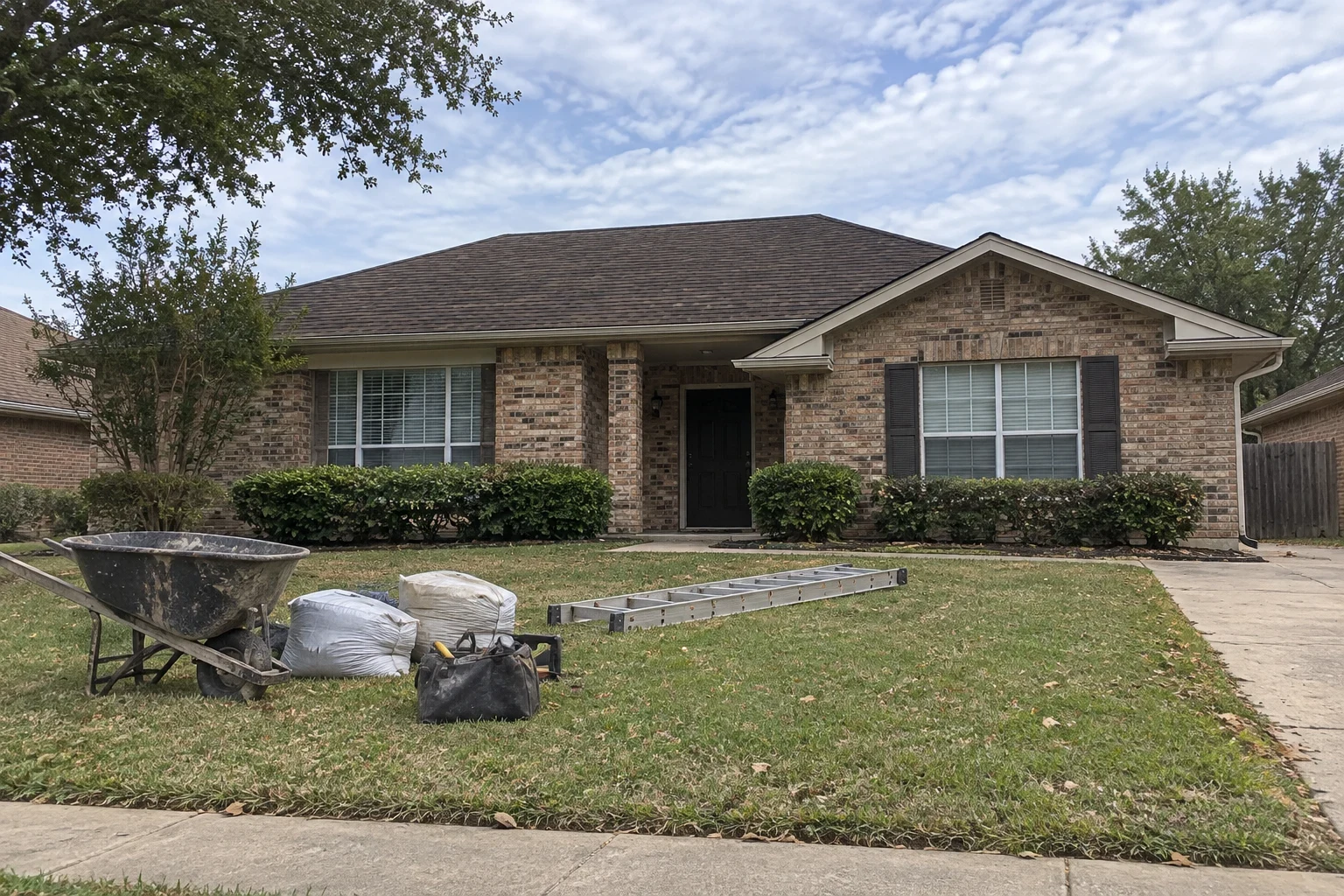
Tell us what you've noticed and when you're free. We'll give you a free estimate and an arrival window you can count on.